If you’re deciding between a house and a condo in Surfside, the beach is not really the question. This compact oceanfront town already gives you a mile of public beach, walkable access, and a pedestrian-friendly setting. The real decision is how you want to live, what level of control you want, and how you want to manage costs over time. This guide will help you compare Surfside homes and condos so you can choose the property type that fits your goals. Let’s dive in.
Surfside Real Estate Starts With Scarcity
Surfside is a small barrier-island town between Miami Beach and Bal Harbour, and it is nearly built out. With only a few vacant lots left, buyers are usually choosing among existing homes and existing condo inventory rather than betting on large-scale future expansion.
That matters because scarcity shapes both pricing and lifestyle. In a market with limited land, single-family homes and condos can serve very different needs even when they share the same coastal setting.
Surfside Homes Vs Condos at a Glance
The biggest difference is simple. A home usually gives you more privacy, outdoor space, and control, while a condo often offers easier access to a lock-and-leave lifestyle with shared building responsibilities.
In Surfside, that tradeoff is especially clear because both options place you close to the beach and the town’s walkable commercial core. You are not choosing whether to enjoy Surfside. You are choosing how to enjoy it.
| Property Type | Typical Advantage | Typical Tradeoff |
|---|---|---|
| Single-family home | More privacy, land, and autonomy | More direct maintenance and renovation oversight |
| Condo | Lower entry price and easier day-to-day ownership | Association costs, building rules, and added due diligence |
What the Market Data Shows
Recent Miami Realtors data highlights a meaningful pricing gap in Surfside. In 2025, single-family homes had 36 closed sales with a median sale price of $1,547,500. Townhouses and condos had 10 closed sales with a median sale price of $525,000.
Inventory conditions were different too. Single-family homes showed 9.3 months of supply and a 78-day median time to contract, while townhouses and condos showed 15.9 months of supply and a 52-day median time to contract.
The takeaway is not just that homes cost more. It also suggests detached homes remain tighter from a supply standpoint, while condos may offer a more accessible entry point with more available inventory.
Why Buyers Choose a Surfside Home
More Privacy and Outdoor Space
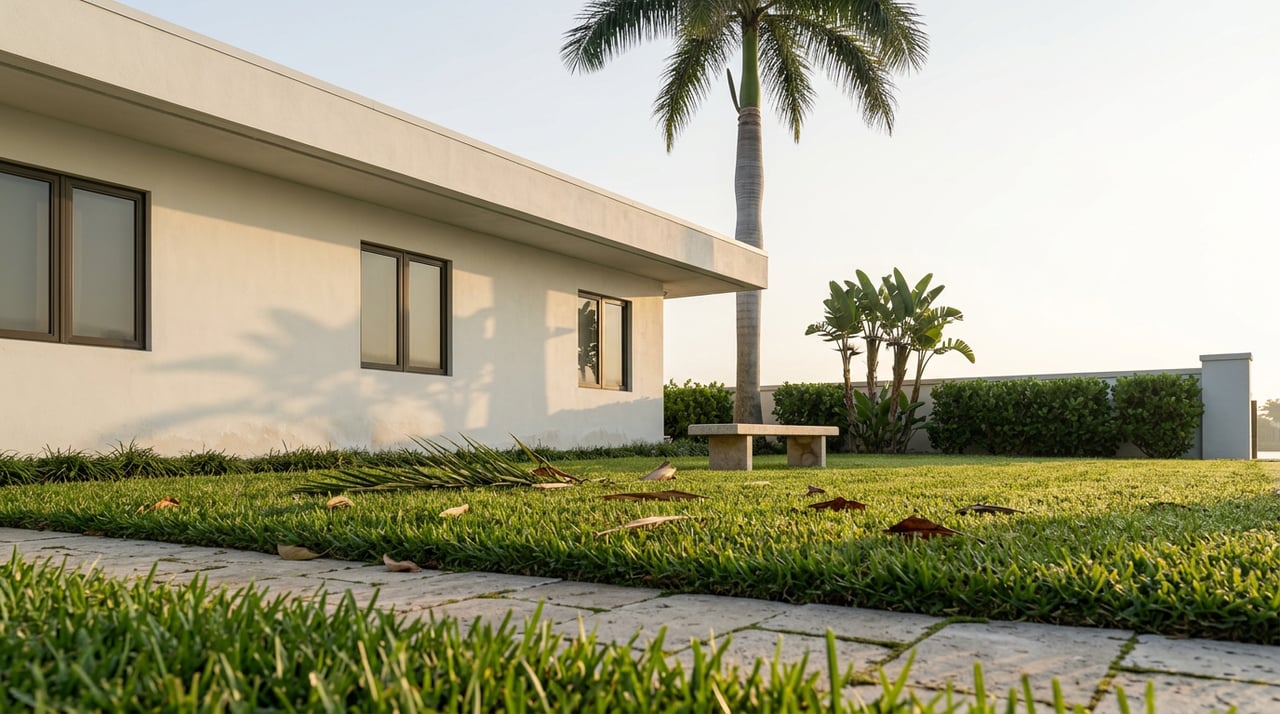
If you want more separation from neighbors, a private yard, or room to shape your own outdoor living, a single-family home is often the better fit. In a compact beach town like Surfside, that extra autonomy can be hard to replace.
Town zoning rules reinforce the idea that land is valuable and limited. In the H30A and H30B single-family districts, minimum lot widths are 50 feet, while minimum lot area is 8,000 square feet in H30A and 5,600 square feet in H30B.
Greater Control, Within Local Rules
A home generally gives you more direct control over how you use your property. That can appeal to buyers who want to renovate, redesign outdoor areas, or create a more tailored living environment.
Still, control does not mean unlimited freedom. Surfside requires administrative review for exterior paint colors on single-family homes, and zoning review applies to many home improvements. If your plan includes additions or major exterior changes, those rules should be part of your decision early on.
Scarcity May Support Long-Term Appeal
Because Surfside is nearly built out, single-family inventory is structurally limited. The 2025 market data supports that idea, with homes showing lower months of supply than condos and a much higher median sale price.
For some buyers, that scarcity is a major part of the value proposition. You are not just buying a residence. You are buying into a limited land-based product type in a small oceanfront town.
What to Know About Surfside Home Constraints
Zoning Can Shape Renovation Plans
If you are thinking long term, zoning matters. Surfside limits lot coverage in H30A and H30B to 50 percent for one-story homes and 40 percent for two-story homes.
Oceanfront lots have additional limits. The town’s coastal plan states that the zoning code prohibits development or redevelopment seaward of the ocean bulkhead line. For buyers considering a major rebuild or expansion, these details can directly affect what is possible.
Ownership Brings Direct Responsibility
A home may offer more freedom, but it also places more responsibility on you. Maintenance, repairs, landscaping, and exterior upkeep are not pooled through an association in the same way they usually are in a condo.
For some buyers, that is a welcome trade. For others, especially second-home owners, it can feel like too much ongoing oversight.
Why Buyers Choose a Surfside Condo
Easier Beachfront Living
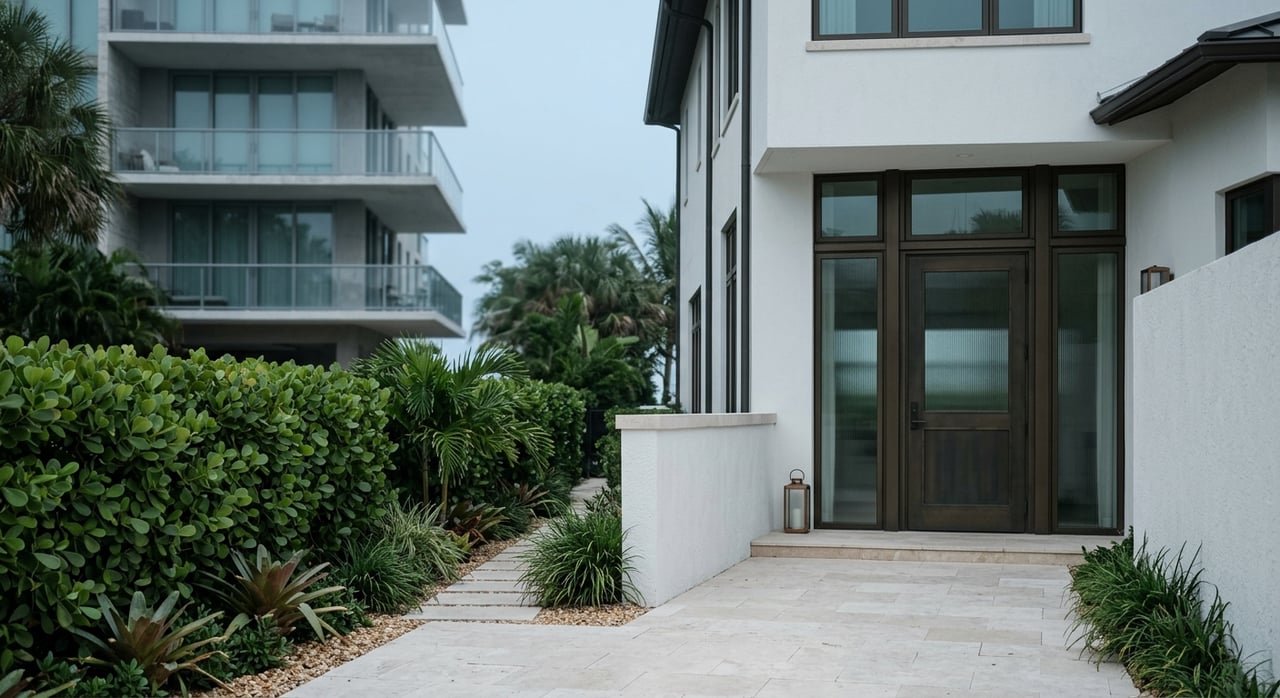
Condos are often the most straightforward way to buy into Surfside’s oceanfront lifestyle. The town’s mile of public beach, beach access network, and walkable layout make condo living practical even when the building itself is not directly on the sand.
That can be especially appealing if you want a second home or a simpler ownership experience. You may be able to spend more time enjoying Surfside and less time managing the day-to-day details of a detached property.
Lower Entry Price
The 2025 median sale price for Surfside townhouses and condos was $525,000, far below the $1,547,500 median for single-family homes. For many buyers, that price gap is the deciding factor.
Lower entry pricing can create flexibility. It may allow you to buy in Surfside sooner, preserve liquidity for renovations or carrying costs, or match your budget to a part-time coastal lifestyle.
A Better Fit for Lock-and-Leave Ownership
If you travel often or split your time between cities, a condo may be the cleaner solution. Shared maintenance and building operations can simplify ownership compared with a house.
That convenience is one reason condos remain attractive to second-home buyers. In Surfside, where the setting itself does much of the lifestyle work, ease of use can matter as much as square footage.
What to Watch With Surfside Condos
Association Costs and Common Expenses
Condo ownership shifts many property costs into recurring assessments. Under Florida condo law, common expenses include the costs of operating, maintaining, repairing, replacing, and protecting common elements and association property.
In plain terms, this means you should expect a larger share of ownership costs to show up as monthly association charges. Those costs can be manageable in one building and far more significant in another, so careful document review matters.
Use and Leasing Rules
Florida condo law allows condo declarations to include restrictions on use, occupancy, and transfer. Buyer disclosures must also identify unit-use restrictions, including leasing restrictions, along with assessment amounts and how they are charged.
That means rental flexibility is never something to assume. If rental income or future leasing matters to you, the building’s declaration and rules deserve close attention before you commit.
Building Condition Due Diligence
This is one of the biggest differences between buying a condo and buying a house in Surfside. Florida’s milestone-inspection law applies to buildings that are three habitable stories or more and subject to condo or cooperative ownership. In general, inspections are due by the year the building turns 30, or 25 years if it is within three miles of the coast, and then every 10 years after that.
Buyer contracts now also disclose when a building has not completed a milestone inspection, turnover inspection, or structural integrity reserve study, as applicable. In a coastal market with older buildings, that makes document review, budget review, and building-condition analysis especially important.
Rental Flexibility Is Not the Same Everywhere
If you may rent out the property, do not treat homes and condos as identical. Surfside’s short-term-rental ordinance requires registration for single-family, two-family, multi-family, and townhouse units, and the town says some properties with a demonstrated short-term-rental history may qualify under its registration program.
For condos, there is another layer. Even if a property falls within town rules, the condo declaration and building rules may still restrict leasing. That is why rental strategy should always be evaluated property by property.
School Access Depends on the Exact Address
If school assignment is part of your search, verify the parcel instead of relying on broad assumptions. Surfside’s comprehensive plan identified Ruth K. Broad Bay Harbor Islands K-8, Nautilus Middle, and Miami Beach Senior High as schools serving the town.
At the same time, Miami-Dade’s school-board buffer viewer is designed to search public schools by address. In practice, that means you should confirm the specific property rather than assume every Surfside home or condo is assigned the same way.
Which Property Type Fits Your Goals?
A Surfside Home May Be Better If You Want:
- More privacy and separation
- Yard space or outdoor living potential
- Greater control over how you use the property
- Exposure to Surfside’s limited single-family inventory
- A longer-term land-based ownership strategy
A Surfside Condo May Be Better If You Want:
- A lower entry price into Surfside
- Simpler day-to-day ownership
- A second-home or lock-and-leave setup
- Less direct responsibility for exterior maintenance
- Proximity to the beach with shared-building convenience
The Smartest Decision Is Usually a Practical One
In Surfside, the choice between a home and a condo is less about prestige and more about fit. A house can offer autonomy, privacy, and scarcity-driven appeal, but it also comes with more direct upkeep and tighter zoning realities. A condo can make beachside ownership easier and more attainable, but it requires careful review of association costs, building condition, and rental rules.
The right answer depends on how you plan to use the property, how hands-on you want to be, and how you weigh flexibility against convenience. In a nuanced market like Surfside, thoughtful due diligence often matters just as much as the view.
If you want a clear, discreet assessment of which Surfside property type best aligns with your goals, The Corcoran Group can help you evaluate the tradeoffs with a senior-led, detail-focused approach.
FAQs
What is the main difference between buying a home or condo in Surfside?
- In Surfside, a home usually offers more privacy, land, and control, while a condo usually offers lower entry pricing and a more convenient lock-and-leave lifestyle.
How much do Surfside homes cost compared with Surfside condos?
- In 2025, Surfside single-family homes had a median sale price of $1,547,500, while Surfside townhouses and condos had a median sale price of $525,000.
Are Surfside condos easier to maintain than Surfside homes?
- Condos often simplify day-to-day ownership because many building-related costs and responsibilities are shared through the association, while homeownership usually leaves those responsibilities directly with you.
Do Surfside condos have rental restrictions?
- They can. Florida law allows condo documents to restrict leasing, so you should review the declaration, rules, and buyer disclosures for the specific building you are considering.
Can you renovate a single-family home in Surfside?
- You may be able to, but Surfside zoning and review requirements matter. The town requires administrative review for exterior paint colors on single-family homes and zoning review for many home improvements.
Do older Surfside condo buildings have extra due diligence requirements?
- Yes. Florida’s milestone-inspection law applies to certain condo and cooperative buildings, and buyer contracts now include disclosures tied to milestone inspections and structural integrity reserve studies when applicable.
Are school assignments the same for every Surfside property?
- No. School access is address-specific, so you should verify the exact parcel rather than assume every Surfside home or condo has the same school assignment.
Is inventory tighter for Surfside homes or Surfside condos?
- Based on 2025 market data, Surfside single-family homes had lower months of supply than townhouses and condos, which suggests tighter inventory for detached homes.